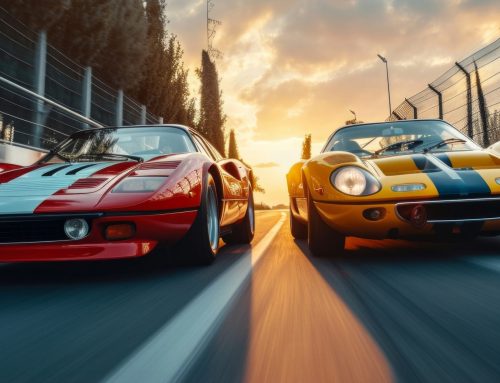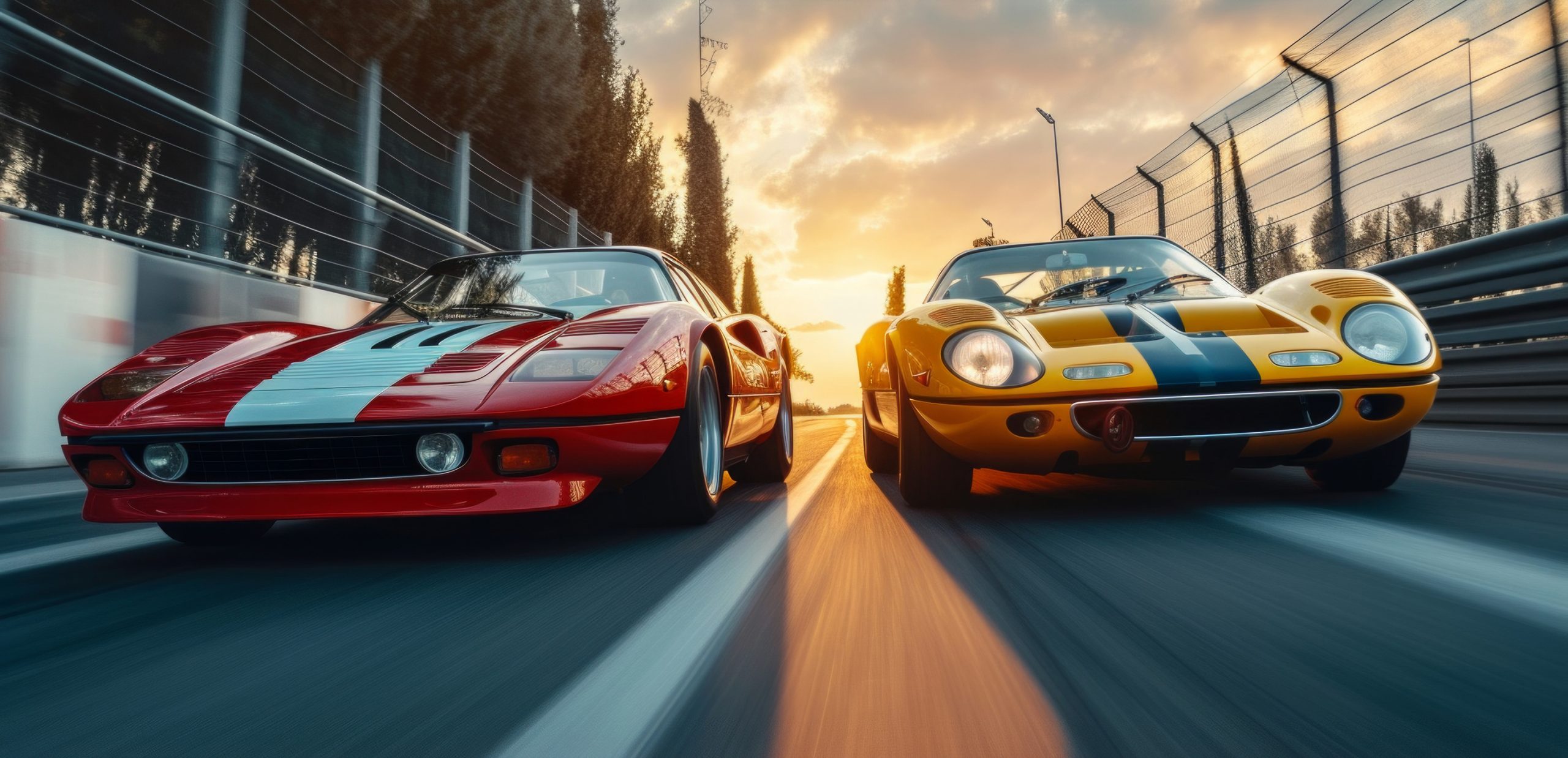
1960s and 1970s Car Chase Films That Made Us Love Speed (and the Tires That Made It Look Real)
If you are a classic car person in Pennsylvania, you know the feeling: the road opens up, the engine sounds right, and you suddenly remember why the 1960s and 1970s are still the golden era of on-screen driving. The best chase films from that period do not look real because of fancy editing. They look real because the cars are working for traction, the chassis is moving, and the tires are doing visible, imperfect physics.
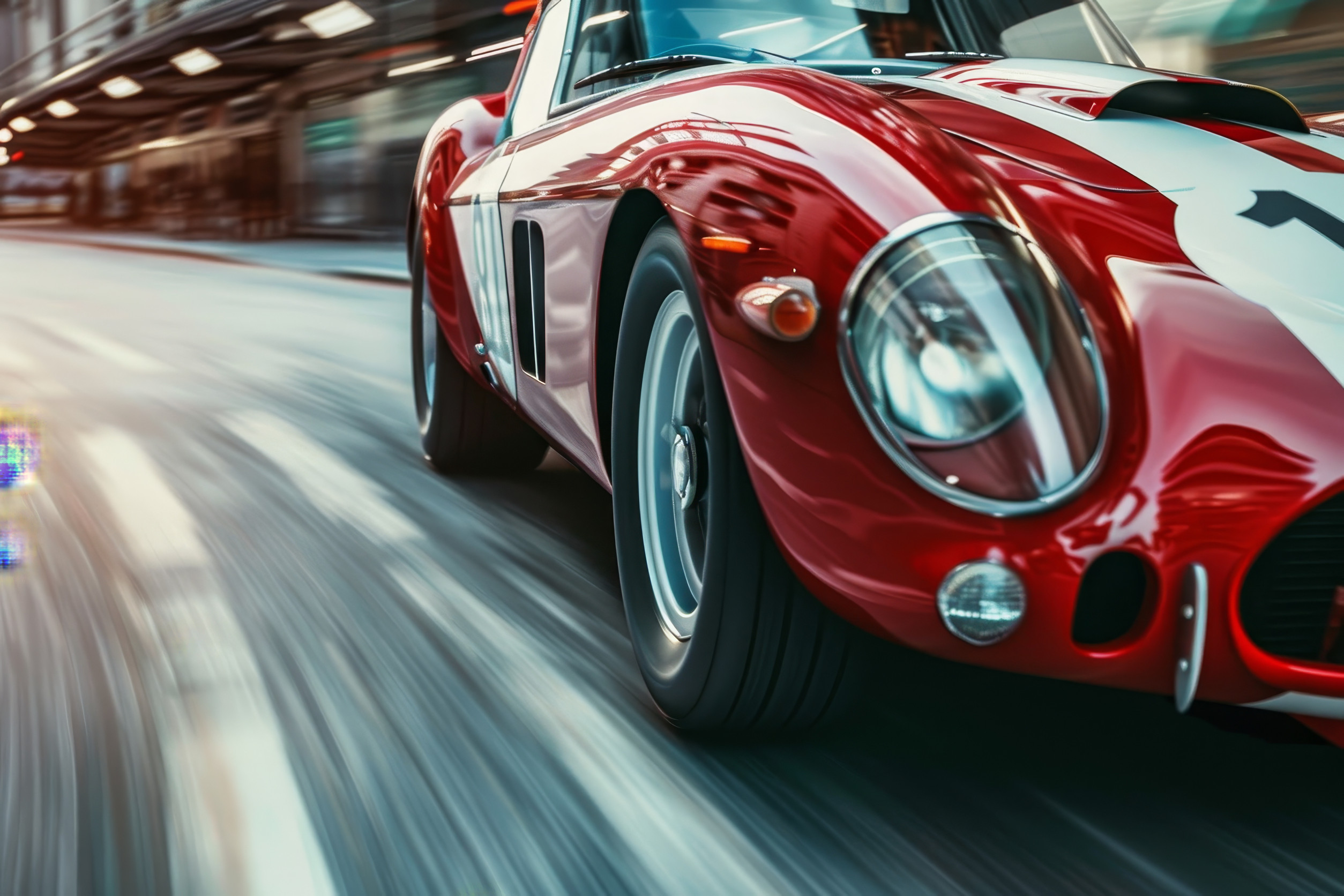
This watch list is built around one idea: tire realism. When the film shows the car squirming under braking, sliding a beat before it hooks up, or skipping over rough pavement, that is the same feedback your own vintage car gives you on Pennsylvania back roads. If you want help matching period-correct Michelin Classic tires to your car so it drives the way it was designed to, start here: Shop Michelin Classic tires.
Why 60s and 70s chase scenes still feel so physical in 2026
A lot of modern action is shot to feel fast. These older films are shot to show the car doing work. You see long braking zones, weight transfer, and that tiny moment where the tire is deciding whether it is going to hold or slide.
- More daylight and longer takes, so you can actually see steering corrections and suspension travel.
- Narrower tires and taller sidewalls, which means the limit arrives earlier and looks dramatic on camera.
- Less electronic filtering between driver and car, so the movements are honest and sometimes messy.
- Real roads with crowns, patches, and expansion joints that change grip in a way a track does not.
1960s and 1970s car chase films worth watching for tire realism
A quick note: this is not a list of the fastest cars. It is a list of scenes where you can read traction, slip angle, and road texture. Watch with the sound up, then watch again with the sound down and focus on the tires.
- Bullitt (1968) – The benchmark. Notice the weight transfer under braking and how the car settles before the next input.
- The French Connection (1971) – A raw, gritty chase where road imperfections and braking distance do a lot of the storytelling.
- Vanishing Point (1971) – Long, high-speed sequences that show stability matters as much as horsepower.
- Dirty Mary, Crazy Larry (1974) – A fun reminder that older suspensions and tall sidewalls create a very different kind of speed.
- The Seven-Ups (1973) – Great for reading body roll and how a car behaves when it is slightly overdriven.
- Duel (1971) – Not a classic car movie in the collector sense, but it is a masterclass in tension created by simple physics.
- The Driver (1978) – More stylized, but still full of clean car control and visible grip management.
- Gone in 60 Seconds (1974) – A time capsule of driving and stunts. Watch for how tires behave on uneven pavement.
- Two-Lane Blacktop (1971) – A slow-burn car film where the driving looks like real driving, not choreography.
- Le Mans (1971) – Not a chase film, but essential viewing if you want to feel period tire limits at speed.
What these films teach you about tires and why it matters on your Pennsylvania classic
Even if you never drive hard, these movies are a helpful reminder that the tire is the whole conversation. A classic car talks through the steering wheel and seat, and tire choice changes the language.
1) Narrower tires mean the limit arrives sooner
Older cars often run narrower section widths than modern performance builds. That is why you see a slide build early, then the car hooks up as the driver unwinds the wheel. Period-correct sizing helps the car feel predictable and balanced.
2) Weight transfer is the real special effect
You can spot it instantly: brake too hard and the nose dives. Get on throttle too early and the rear squats. If your car feels nervous on Pennsylvania two-lanes, it is often a mix of alignment, pressures, and a tire that does not match the chassis.
3) Sidewall behavior changes steering feel
A classic suspension expects a certain sidewall profile and construction. Too stiff and the car can feel skittish. Too soft and it can feel vague. Michelin Classic tires are built to deliver an authentic driving character while using modern materials for consistency.
4) Wet pavement and cold mornings change everything
Pennsylvania weather can swing from humid summer storms to cool spring mornings. Grip changes with temperature and surface water. That is why pressure checks and conservative driving on the first few miles matter so much on classics.
Two Michelin Classic series that match the 60s and 70s chase-film vibe
Most of the cars in these films are not on ultra-wide rubber. They are on tires that let the chassis move and communicate. Two series come up constantly in real-world classic fitments:
- Michelin XAS: A period-authentic performance radial originally developed in the mid-1960s. It is a great match for many European sports cars where steering feedback and progressive breakaway matter. Browse here: Michelin XAS.
- Michelin XZX: A beloved choice for many 1960s and 1970s European applications including classics like VW, smaller sports cars, and light touring builds. Browse here: Michelin XZX.
If you are unsure which series fits your wheels and your goals, the fastest path is to search by make and model in the store, then confirm details with the team: Shop Michelin Classic tires.
A Pennsylvania way to enjoy the speed without driving like a stunt scene
You do not need to push limits to appreciate what these films get right. You just need a calm route, a well-sorted car, and a plan to drive smoothly.
- Pick a quiet loop and drive it at normal speeds. Focus on smooth steering and smooth throttle, not speed.
- Do a quick pre-drive check: pressures, visible cracks, and