
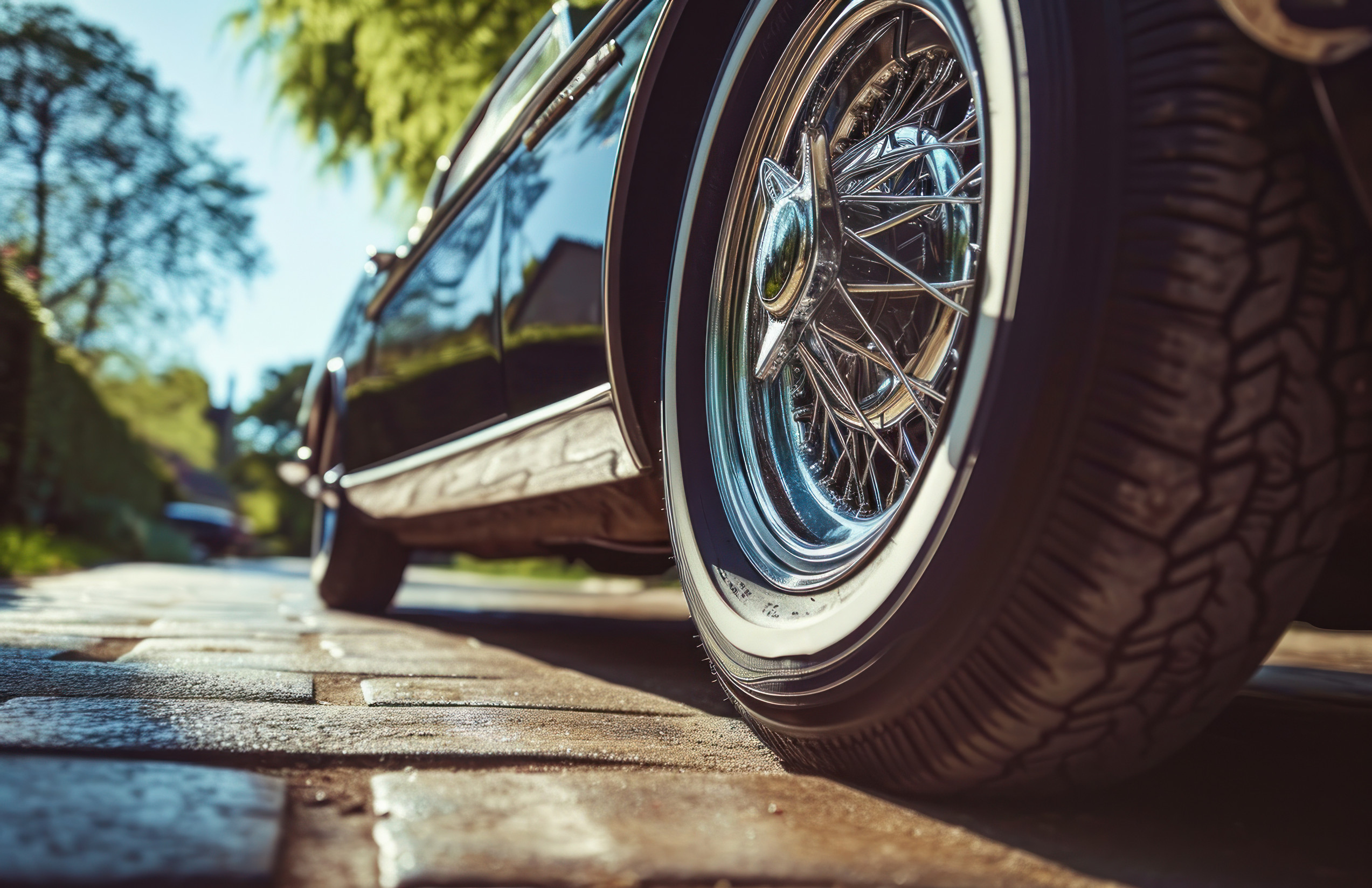
Best Michelin XWX Tires for 1970s Supercars in the Mid-Atlantic (2026 Buyer Guide)
If you own a 1970s high-speed car, the tire choice is not a finishing touch. It’s part of the engineering. The Michelin XWX was built for the era’s fastest road cars, and it remains one of the cleanest ways to keep your supercar looking correct while delivering the kind of stability these chassis were designed around. In this 2026 buyer guide, we’ll walk through what Mid-Atlantic collectors should check before ordering, how to protect rare wheels during mounting, and how to plan a smooth installation.
Why Michelin XWX is the signature tire for 1970s high-speed exotics
Many 1970s performance cars were tuned around tall sidewalls, specific tread patterns, and the road feel of period tires. The XWX is known for its classic sidewall and a construction aimed at high-speed stability. For collectors, that matters for two reasons: you preserve the car’s original proportions, and you keep the steering and braking response closer to the factory intent. If your goal is to keep the car authentic without gambling on modern ultra-low-profile options, the XWX is often the most sensible move.
If you want to browse current XWX options and sizes we stock, start here: Browse Michelin XWX
Mid-Atlantic fitment mindset: period-correct look plus usable performance
The Mid-Atlantic is a mixed bag for classic driving. You’ll see hot, humid summers, sudden rain, and a lot of roads that vary from smooth to patched. That means fitment is not only about what looks right in a photo. It’s also about what keeps the car calm on real pavement. When you’re choosing an XWX setup, prioritize the following:
- Correct overall diameter: keeps speedometer and gearing close to original.
- Appropriate section width: avoids rub on full lock and protects fender lips.
- Correct speed rating for the car’s intended use.
- Sidewall profile that matches the era (and your wheel width).
A quick practical tip: if you’re running original wheels, measure actual wheel width and backspacing, not just what the brochure claims. On many 1970s cars, a few millimeters changes everything. If you’re unsure, our team can help you sanity-check the size before you order. The fastest way to reach us is the contact page.
Sizing and speed rating checklist before you click Add to Cart
Before you buy, run through this short checklist. It saves money, avoids shipping headaches, and prevents the most common mounting-day surprises.
- Confirm current tire size (including aspect ratio and speed rating) and compare to factory specs.
- Inspect wheel condition: bent lips, cracks, corrosion, or old weights can cause vibration.
- Check clearance at full steering lock and full suspension compression.
- Decide whether you want a matching full set or a staggered fitment (front vs rear).
- Plan your install appointment before the tires arrive so you are not storing them in a hot garage for weeks.
Ready to see what’s available now? Shop the full Michelin Classic selection here
If you have questions about ordering, shipping, or how to choose the right tire, the FAQ is a helpful starting point.
Protecting rare wheels during mounting and balancing
With 1970s supercars, the wheels are often as valuable as the tires. Original finishes, magnesium wheels, and rare trim rings are easy to damage if the shop is rushing. When you schedule mounting and balancing, look for a shop that will slow down, use the right equipment, and treat the wheels like collectible parts.
Mounting and balancing tips to bring to your installer:
- Ask the shop to protect the wheel face and lip during clamping and demounting.
- Request proper cleaning of bead seats before mounting.
- Balance for smooth cruising, not just minimum weights.
- After installation, recheck lug torque and tire pressure after the first short drive.
If you’re local and want to coordinate an installation plan, start with our contact page and tell us your vehicle and current size.
Mid-Atlantic driving and storage tips for vintage performance cars
Once the tires are installed, treat the first few drives as a shake-down. Even a perfect mounting job can reveal small issues like a wheel that needs a finer balance or a tire pressure that feels better a pound higher or lower.
- Break-in gently: avoid aggressive braking or hard cornering on the first drive.
- Watch for vibration at specific speeds. If it appears, recheck balance and wheel runout.
- Keep pressures consistent: temperature swings are common in the Mid-Atlantic.
- Store smart: if the car sits, move it periodically to reduce the chance of flat spotting.
If your car is stored for long stretches, consider a simple routine: pressure check once a month, quick visual inspection of sidewalls, and a short roll forward and back if you can. These small habits keep your classic ready for the next great weather window.
Customer note
Customer note (composite based on common feedback): Many Mid-Atlantic collectors tell us the biggest difference after moving to a period-correct Michelin Classic setup is confidence. They describe the car as calmer at speed, more predictable through sweepers, and simply better aligned with how the car looks. The other repeated theme is peace of mind when the sizing is verified up front and the install plan is scheduled before the tires arrive.
Ready to choose the right XWX setup for your car?
Preserve your car’s legacy with authentic Michelin Classic tires. Call 443-671-6621 to schedule your installation and keep your classic performing at its best.
Shop Our Michelin Classic Tires | Browse Michelin XWX | FAQ | Contact Us

